



When people think about dental care, they usually focus on their teeth: keeping them white, straight, and cavity-free. But your teeth rely entirely on a strong foundation: your gums.
Gum disease (periodontal disease) is one of the most common chronic conditions in the world, affecting nearly half of all adults over the age of 30. The tricky part? In its early stages, gum disease is often quiet and painless. Left untreated, however, it can lead to permanent tooth loss and systemic health complications.
At Serenity Smiles, we believe that prevention is always better than cure. Here's what you need to know about periodontal disease, including the early warning signs to watch for and how to protect your smile for life.
What Is Gum Disease?
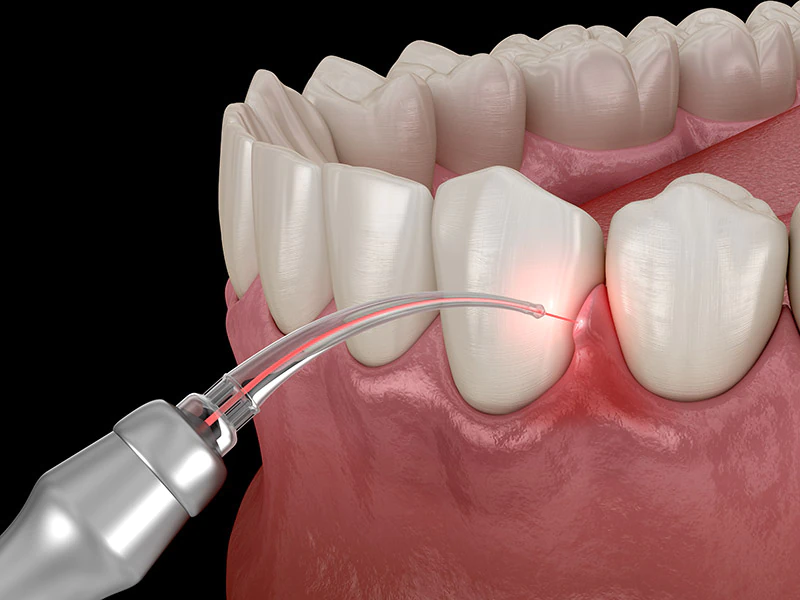 Gum disease is an infection and inflammation of the tissues that surround and support your teeth. It is primarily caused by plaque—a sticky, invisible film of bacteria that constantly forms on your teeth.
When plaque isn't thoroughly removed through daily brushing and flossing, it hardens into tartar (calculus). Tartar can only be removed by a dental professional. As bacteria multiply within tartar, they release toxins that irritate your gums and trigger an immune response.
Gum disease develops in two main stages:
- Gingivitis: The mildest, earliest form of gum disease. At this stage, inflammation is confined to the gums, and the underlying bone structure remains intact. Gingivitis is 100% reversible with professional dental care and improved home hygiene.
- Periodontitis: If gingivitis is ignored, it advances to periodontitis. The inner layer of the gum pulls away from the teeth, forming deep "pockets" that collect bacteria and debris. Your body’s immune system fights back, but the combination of bacterial toxins and chronic inflammation begins breaking down the bone and connective tissue holding your teeth in place. Eventually, teeth become loose and may fall out or require extraction.
Early Warning Signs You Shouldn't Ignore
Because periodontitis often progresses without sharp pain, many people assume everything is fine until serious damage has occurred. Catching the subtle warning signs early is key to saving your gums.
Be on the lookout for these common early indicators:
- Bleeding Gums During Brushing or Flossing: Healthy gums do not bleed when you brush or floss. If you see "pink in the sink," your gums are inflamed and sending a signal for help.
- Red, Swollen, or Tender Gums: Healthy gum tissue is firm and pale pink. If your gums look dark red, puffy, or feel tender to the touch, bacteria are actively causing inflammation.
- Persistent Bad Breath (Halitosis): Everyone gets morning breath, but persistent bad breath or a lingering bad taste in your mouth that doesn't go away after brushing is often caused by sulfur compounds released by periodontal bacteria.
- Gums That Are Receding: If your teeth look longer than they used to, your gums may be pulling back from the teeth, exposing the sensitive root surfaces beneath.
- Changes in Your Bite or Tooth Sensitivity: Tooth roots exposed by gum recession are vulnerable to hot and cold temperatures. In later stages, you may notice teeth shifting or feeling slightly loose when you chew.
- The Gum-Body Connection: Periodontal disease isn't just an oral issue. Research has linked chronic gum inflammation to systemic conditions like cardiovascular disease, diabetes complications, stroke, and respiratory issues. Protecting your gums directly protects your whole body!
How to Prevent Gum Disease
The good news is that gum disease is largely preventable with daily habits and regular dental visits. Here’s how you can maintain strong, healthy gums:
Commit to a Complete Home Care Routine
- Brush Twice Daily: Use a soft-bristled toothbrush and fluoride toothpaste for two minutes twice a day. Hold the brush at a 45-degree angle toward the gumline to clear plaque away gently.
- Floss Daily: Brushing misses up to 35% of tooth surfaces. Daily flossing (or using interdental brushes) removes plaque and food particles stuck between teeth and under the gumline.
- Consider an Antibacterial Mouthwash: An antimicrobial rinse can help reduce plaque levels and flush away lingering debris.
Schedule Regular Preventive Visits at Serenity Smiles
Home care is essential, but it cannot remove hardened tartar. Professional dental cleanings remove plaque and tartar build-up from hard-to-reach areas.
During your routine checkups at Serenity Smiles, our team performs periodontal screening. We gently measure the depth of the spaces around your teeth to spot the very first signs of inflammation, long before you feel any discomfort.
Adopt Gum-Friendly Habits
Our dentist recommends gum-friendly habits like:
- Don't Smoke or Vape: Tobacco use is one of the single greatest risk factors for gum disease, as it reduces blood flow to the gums and slows down healing.
- Eat a Nutrient-Rich Diet: Vitamin C, Vitamin D, and antioxidants support tissue repair and boost your body’s ability to fight off bacterial infections.
Protect Your Smile's Foundation with Serenity Smiles
If you’ve noticed bleeding gums, tenderness, or persistent bad breath, don't wait for symptoms to worsen. Early intervention can reverse gingivitis and stop periodontal damage in its tracks.
At Serenity Smiles, we offer gentle, comprehensive periodontal care tailored to your smile. Contact our friendly team today to schedule your comprehensive periodontal exam and cleaning.


